



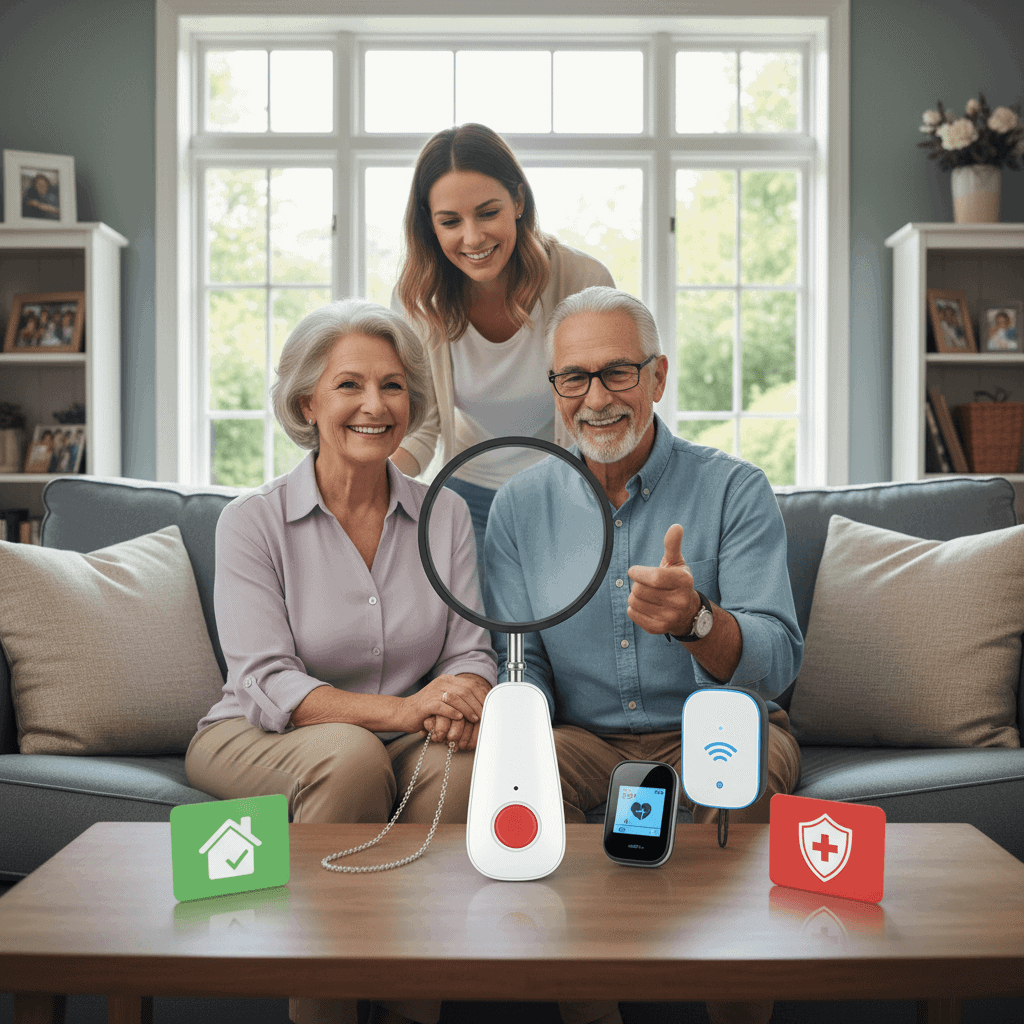
Choosing a medical alert system for your parents can feel like a big decision, especially when you want something dependable and simple to use. This article breaks down the options in plain language, so you can focus on what matters most, which is safety, usability, and cost. You will read clear examples, practical tips, and real life scenarios that help make the choice less stressful.
We will look at the main features to consider, compare common device types, and outline a testing routine you can use once a system is in place. The aim is to give you steps you can follow today that reduce second guessing and make care decisions easier to manage.
Why the right medical alert system matters for your parents
A good medical alert system does three main jobs. It detects an emergency, it connects the person with a trained responder or a designated contact, and it keeps working without frequent fuss. For older adults living alone, these functions can mean the difference between a quick response and a long wait for help.
Beyond response time, consider how a device fits into daily life. If a system is hard to press or requires complicated charging, it will not be used consistently. If a button is too small, or if a watch style feels uncomfortable, that reduces the chance the device will be worn when it is most needed. Think of the alert system as an everyday item, like a pair of glasses or a phone, that must be convenient enough to be kept on.
Key features to look for when you simplify choosing your parents medical alert system
When evaluating systems, focus on core features that affect safety and reliability. These include the type of monitoring, range or cellular coverage, battery life, waterproof rating, fall detection accuracy, and the quality of the response centre. Keep an eye on practical details that often influence daily use.
- Monitoring type wireless network base station or cellular direct connection
- Button format pendant, wrist button, or in-home base unit
- Fall detection automatic detection vs button only
- Battery life days for wearables, weeks for base units
- Water resistance rating shower safe or not
- Response centre 24 7 staffed, local emergency dispatch, or family contact only
Pick the features that match your parents daily routine. For an active parent who gardens and walks outdoors, waterproof wearables with long battery life work best. For someone primarily inside, a base unit with a long in home range may be more suitable.
Monitoring types explained with pros and cons
There are two main ways systems connect to responders. One method routes calls through a home base station that uses a landline or an internet connection. The other uses a wearable device that connects directly to a cellular network. Each method has advantages.
Home base station and pendant systems
Base station systems often have a long range inside the house and the pendant button is simple to press. They are reliable when the home has a working phone line or broadband connection. The downside is limited protection outside the house unless the pendant also includes cellular capability.
Cellular wearable systems
Wearable cellular devices work on mobile networks and provide protection almost anywhere there is signal. They are best for parents who leave the house frequently. Check coverage maps for the relevant network and ask about roaming if your family travels between regions.
Wearable styles and placement that improve compliance
Comfort and habit play a large part in whether a device will be worn consistently. Common styles include pendants on a neck chain, pendants clipped to clothing, wristbands, and smartwatch style devices. Try a few styles if you can, and involve your parents in the choice.
- Neck pendants sit close to the body which can make them easier to press without looking
- Wrist devices resemble a watch and are less likely to be forgotten
- Clip on options can be attached to belts but may be removed during certain activities
Practical tip, pick a style that fits the daily routine. If your parent forgets jewelry, a wrist style is more likely to remain on. If removing the item is a concern, choose a model with a secure fastening or a wrist strap that resists accidental removal.
Communication options and what the response network should provide
How a system communicates after the button is pressed or an alarm is triggered is crucial. There are three common response models. One, a monitored response centre that speaks directly with the user. Two, a call that goes to a list of family contacts. Three, direct routing to emergency services depending on the device.
A monitored centre with trained staff can keep talking while emergency services are dispatched. Family contact lists can be quicker for non life threatening situations and may reduce false emergency dispatches. Find out how many contacts the system will cycle through and how long it waits before escalating to emergency services.
Costs subscription plans and what to watch for
Price has two parts, the up front hardware cost and the ongoing subscription fee for monitoring or cellular service. Some providers sell the device at low cost and charge higher monthly fees. Others offer a higher initial purchase price with lower monthly charges. Look for clear statements about cancellation fees and contract length.
- Check if there is a setup fee or an activation cost
- Ask about battery replacement costs for wearables
- Confirm if fall detection has an extra charge
- Find out whether software updates or warranty repairs are included
Example scenario, a device with a small monthly fee may seem cheaper at first but if the battery needs replacement after a year the ongoing cost rises. Ask providers for a full cost breakdown for at least two years to see the real expense.
Testing setup and a regular maintenance routine
Once a system is installed, create a short testing and maintenance schedule. Regular checks keep the system ready and reduce surprises. A simple monthly routine will catch problems before they become emergencies.
Simple testing routine
Test the call function and microphone monthly. Confirm that the responder can hear and speak clearly. Test fall detection if the device supports that feature, following the manufacturer test steps rather than simulating a real fall. Check battery level indicators and confirm wireless signal strength on cellular devices.
When to replace or upgrade
Replace devices if battery life drops noticeably or if the device no longer receives software updates from the maker. Consider an upgrade when network compatibility changes, for example when older cellular standards are phased out. Keep an eye on recall notifications and manufacturer alerts for safety information.
Questions to ask a provider before you buy
Prepare a short checklist to keep calls with sales representatives focused and productive. Ask about the average response time from their centre, staff training, and whether the system routes to local emergency dispatch. Confirm the steps the company takes for false alarms, and whether family contacts are notified concurrently with emergency services.
- How does the device signal a low battery
- Is fall detection automatic and what is its false alarm rate
- How long is the contract and are there early termination fees
- What is the warranty period and what does it cover
Also check for clear instructions on how family members can be added or removed from a contact list. The easier it is to make those changes, the simpler it will be to keep the system aligned with your family situation.
Choosing the right medical alert system for your parents does not have to be overwhelming. Focus on core features, comfort, coverage and cost, and use a short testing routine to keep the device ready. If you would like a clear checklist and device comparisons to help with your search you can find out more about specific criteria and sample products that match common needs.
In summary pick a system that matches everyday habits and local connectivity. Test the response process and keep a simple maintenance calendar. Compare total costs over time and choose the wearable style that your parent is most likely to keep on. With a small amount of planning you can set up reliable protection without unnecessary complexity. Take one step today by reviewing the features that matter most to your family and schedule a hands on trial if you can. A short trial period will show which design fits best and which response setup provides the clarity you want in an emergency. This work pays off through smoother daily life and a clear plan when an incident occurs.